November 25, 2010
Long-term care facilities and hospitals in
today’s health care environment are finding it increasingly difficult to
survive on their own as a result of rising costs from Medicare fraud and abuse,
the necessary need to control costs under the Medicare prospective payment
system (PPS), the cost of corporate compliance, and the losses from managed
care organizations. The smaller health
care facilities are more at risk than the larger more established
facilities. Smaller facilities typically
have fewer resources in terms of capital, collateral to obtain financing, and
professional staff with a technical knowledge in the areas of marketing, law,
fund development, and capital replacement.
And consequently health care facilities are doing what they need to do
to survive such as merging, forming strategic alliances, forming Group Purchase
Organizations, buying, selling, affiliating, creating Integrated delivery
Systems (IDS) for risk-sharing, and finding other ways to control costs and
increase reimbursement.
By Blair E. Thomas
Please follow link:resources/Challenges%20Faced%20by%20Healthcare%20Facilities.pdf
Posted by Blair E. Thomas. Posted In : Non-Profits
November 24, 2010
 Descriptionby Susan Kenny Stevens with a foreword by Paul C. Light Descriptionby Susan Kenny Stevens with a foreword by Paul C. Light
Throughout the country, foundations, nonprofit managers, and board
members are realizing the relationship between organizational competence
or capacity and a nonprofit’s ability to accomplish its mission and
deliver important services. Yet, current definitions of capacity
generally describe one-size-fits-all practices and protocols for mature
organizations. The fact is that not all nonprofits are mature. Some are
star... Continue reading...
Posted by Blair E. Thomas. Posted In : Non-Profits
November 24, 2010
Information abstracted from regional and national studies concerning
the challenges facing nonprofits indicates that several issues are
shared as concerns for nonprofit leaders. Board development and
fundraising and are the main issues for nonprofits with a secondary
emphasis on difficulties related to improving operations and more
effectively managing resources.EMERGENT THEMES Some
fundamental concerns were commonly identified in the studies, which
surveyed nonprofit executive directo... Continue reading...
Posted by Blair E. Thomas. Posted In : Non-Profits
November 24, 2010
Posted by Blair E. Thomas. Posted In : Non-Profits
November 7, 2010
"Nonprofit organizations that dedicate their resources to charitable, religious, scientific, or educational purposes may apply for 501(c)(3) federal tax exemption as a public charity. Successful 501(c)(3) public charity applicants enjoy many benefits not available to unclassified organizations. This fact sheet explains some of those benefits and briefly describes the 501(c)(3) application process. 501(c)(3) organizations: . Do not pay federal corporate income tax except on income derived from u... Continue reading...
Posted by Blair E. Thomas. Posted In : Non-Profits
November 3, 2010
The deck often seems to be stacked against nonprofit organizations.
No one doubts their work is important—whether it's running a homeless
shelter, an after-school program, or a worldwide campaign against
hunger—but nonprofit jobs, with their long hours and low salaries,
have always required a certain amount of sacrifice. A sobering study
released yesterday, the largest survey ever of nonprofit employees,
reveals surprisingly widespread dissatisfaction with the way many
nonprofits a... Continue reading...
Posted by Blair E. Thomas. Posted In : Non-Profits
November 2, 2010
...........illegal blunders are no longer met with sympathetic ears.
"Increasingly, the contributing public expects nonprofits to be
managed and held accountable to the same standards of care and
performance as the for-profit businesses in which they invest," says
Cliff Ernst, a lawyer in Austin, Tex., who works with nonprofit clients.
"It is the duty of the executive director and the board chairman of
each nonprofit to be sure that all of its board members, staff, and
volunteers are ... Continue reading...
Posted by Blair E. Thomas. Posted In : Non-Profits
|
About Me
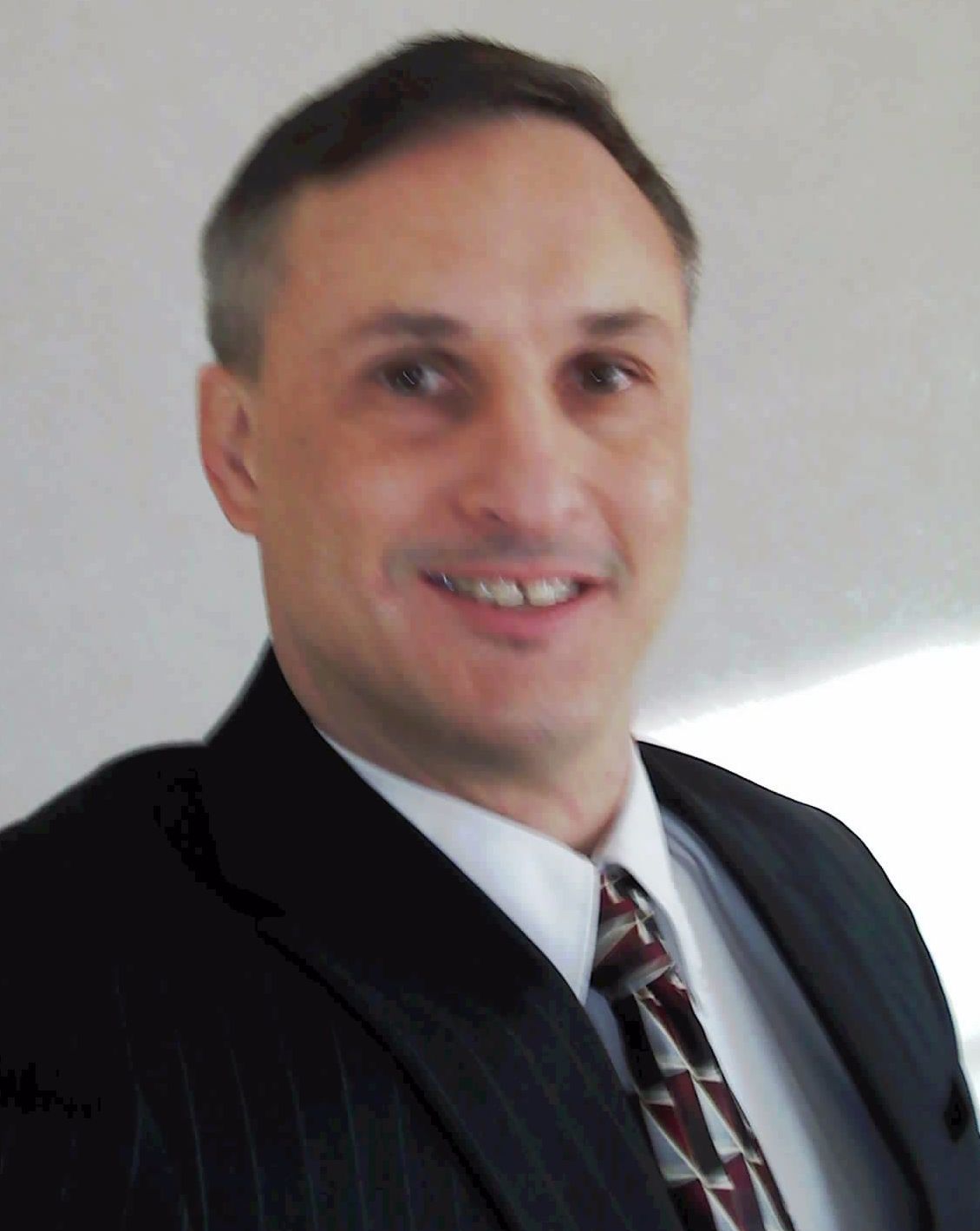 I graduated from Penn State University with a degree in Accounting and took my first position as an Accountant for Quincy Villages, a Continuing Care Retirement Community (CCRC) and acquired many skills while learning about the operations of non-profit organizations. At Quincy I developed an internal audit program from scratch, accounted for a $3 million expansion project and directed the implementation of a fixed asset software system. I also prepared annual Medicare cost-reimbursement reports that took qualified direct and indirect expenses and allocated them to the skilled and intermediate nursing care cost centers through the use of a "step-down method".
Once I passed the CPA exam in 1994 I took a position as Accounting Manager for Wesley Affiliated Services, Inc. in Mechanicsburg, PA. who four years later merged with Asbury Services, Inc. located in Gaithersburg, MD. While at Wesley I played a significant role in the merger of the two organizations through heavy participation in the due diligence process and serving on cross-functioning teams. In 1999 Asbury retained me as their Finance Manager to transition and integrate the financial operations and accounting records of Wesley Affiliated Services, Inc. down to Gaithersburg, MD.
In 2001 I took a position as an Accounts Manager where I provided controller services to several scientific societies. I was promoted to Senior Accounts Manager in 2007 as a reward for my work on another merger between two scientific organizations to form American Society for Nutrition in 2006 with combined net assets of $10 million.
In September 2008 I was approached and recruited by the newly merged ASN to become their Controller and establish and build their finance department from the ground up.
I graduated from Penn State University with a degree in Accounting and took my first position as an Accountant for Quincy Villages, a Continuing Care Retirement Community (CCRC) and acquired many skills while learning about the operations of non-profit organizations. At Quincy I developed an internal audit program from scratch, accounted for a $3 million expansion project and directed the implementation of a fixed asset software system. I also prepared annual Medicare cost-reimbursement reports that took qualified direct and indirect expenses and allocated them to the skilled and intermediate nursing care cost centers through the use of a "step-down method".
Once I passed the CPA exam in 1994 I took a position as Accounting Manager for Wesley Affiliated Services, Inc. in Mechanicsburg, PA. who four years later merged with Asbury Services, Inc. located in Gaithersburg, MD. While at Wesley I played a significant role in the merger of the two organizations through heavy participation in the due diligence process and serving on cross-functioning teams. In 1999 Asbury retained me as their Finance Manager to transition and integrate the financial operations and accounting records of Wesley Affiliated Services, Inc. down to Gaithersburg, MD.
In 2001 I took a position as an Accounts Manager where I provided controller services to several scientific societies. I was promoted to Senior Accounts Manager in 2007 as a reward for my work on another merger between two scientific organizations to form American Society for Nutrition in 2006 with combined net assets of $10 million.
In September 2008 I was approached and recruited by the newly merged ASN to become their Controller and establish and build their finance department from the ground up.
|
|